# How برنامج محاسبة Improves Financial Accuracy and Control in 2027
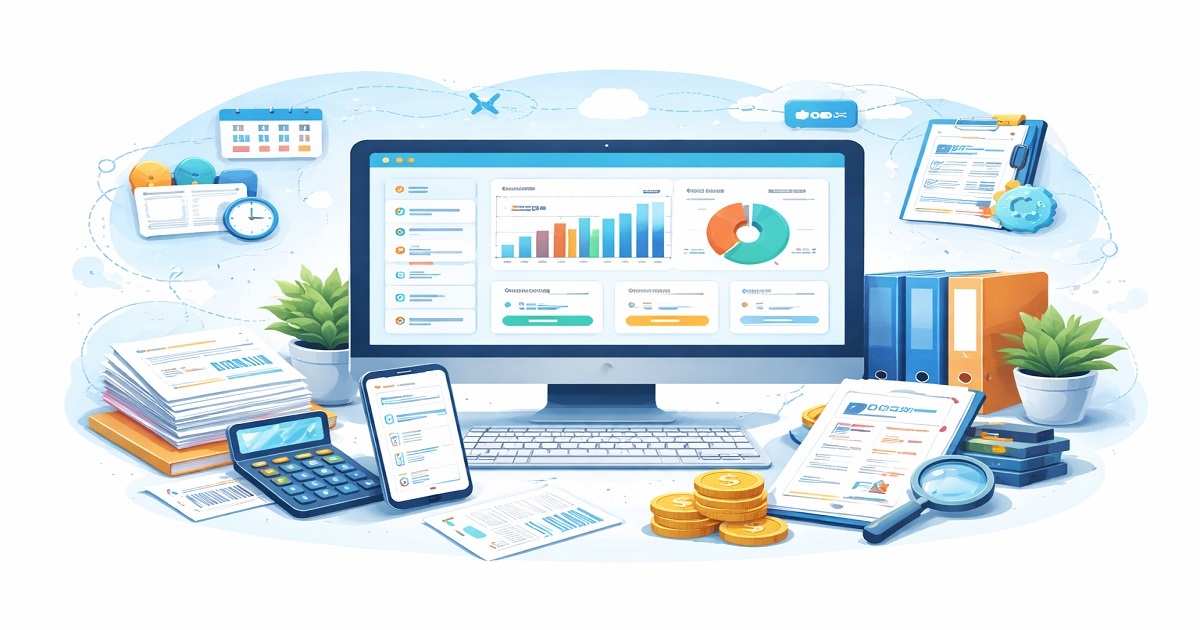
Financial accuracy is essential for businesses that want to maintain reliable records, control expenses, and understand their financial position. In Saudi Arabia, companies are increasingly adopting digital accounting processes to reduce manual work and improve financial visibility. **برنامج محاسبة** can help organizations manage financial transactions through structured workflows while creating a more consistent approach to everyday accounting activities.
For businesses looking to strengthen financial control in 2027, ***[برنامج محاسبة](https://bnody.com/أفضل-برنامج-محاسبة-في-السعودية/)*** provides a centralized environment for recording and monitoring financial information. Instead of depending on disconnected spreadsheets and manual calculations, businesses can organize invoices, expenses, payments, receivables, payables, and reports within one system. This approach can make accounting information easier to review and help finance teams identify discrepancies more efficiently.
## The Importance of Financial Accuracy in Modern Businesses
Financial records influence many areas of business management. Revenue figures, operating expenses, supplier payments, customer balances, and cash-flow information all contribute to decisions about the future of an organization.
When financial records contain errors, the consequences can extend beyond accounting. Incorrect figures may affect budgets, management reports, cash-flow planning, and business forecasts. Manual data entry can increase the possibility of duplicated transactions, incorrect amounts, or missing information.
A digital accounting environment can create a more organized process for recording transactions. By establishing consistent workflows, businesses can improve the reliability of their financial information and reduce unnecessary administrative complications.
## Centralizing Financial Information
One of the primary ways accounting software supports financial control is by centralizing accounting data. Businesses may generate financial information from sales, purchasing, expenses, customer payments, supplier invoices, and other activities.
When these records are maintained separately, accounting teams may need to spend significant time combining information before preparing reports. A centralized system brings relevant financial records together and provides authorized users with a common source of information.
This can make financial reviews more efficient. Instead of comparing several versions of spreadsheets, finance professionals can work from organized records within a single accounting environment.
## Reducing Manual Data Entry
Manual data entry is a common source of accounting errors. When employees repeatedly transfer information between documents or systems, even a small mistake can affect subsequent calculations.
برنامج محاسبة can reduce repetitive entry by using automated workflows and connected financial records. Depending on the system, transactions entered through one process may update related accounting information automatically.
Reducing manual work does not remove the need for human oversight. Instead, it allows accounting professionals to focus their attention on reviewing financial activity, resolving exceptions, and maintaining data quality.
## Improving Transaction Accuracy
Every financial transaction contributes to the overall accuracy of business records. Sales, purchases, refunds, expenses, payments, and adjustments must be recorded correctly to produce reliable financial statements.
Accounting software can provide standardized fields and predefined accounting workflows that guide users through transaction recording. This creates greater consistency than informal manual processes.
Businesses can also establish procedures for reviewing transactions before financial information is finalized. A structured workflow makes it easier to identify unusual entries and correct mistakes before they influence wider financial reports.
## Better Control Over Accounts Receivable
Accounts receivable represents money customers owe to a business. Poor visibility into outstanding invoices can create difficulties with cash-flow management and customer follow-up.
A digital accounting system can organize invoices, customer balances, payment dates, and outstanding amounts. Finance teams can review receivables through a centralized interface rather than manually checking multiple records.
This improved visibility helps businesses understand their current receivables position. It can also make follow-up activities more organized because accounting staff have access to relevant payment information.
## Strengthening Accounts Payable Control
Supplier payments also require careful management. Businesses need to know which invoices have been received, which payments are pending, and how supplier obligations affect available cash.
برنامج محاسبة can organize accounts payable information and provide a clearer view of outstanding supplier obligations. Accounting teams can review bills and payment records within a structured workflow.
This can reduce the risk of missing payment information or recording the same obligation incorrectly. Better payable visibility can also help businesses coordinate payments with broader cash-flow planning.
## Improving Expense Monitoring
Controlling expenses requires businesses to know where their money is going. Operating costs can come from many sources, including office expenses, utilities, marketing, transportation, supplies, technology, and professional services.
Accounting software can categorize expenses according to the organization's accounting structure. This allows businesses to review spending by category and compare financial activity over different periods.
Consistent expense categorization also improves reporting. When costs are recorded under appropriate categories, management receives a clearer picture of how business resources are being used.
## Supporting Real-Time Financial Visibility
Traditional accounting processes may require employees to prepare and update reports manually before management can review financial information. This can create delays between business activity and financial analysis.
Modern accounting software can provide dashboards and reports based on current recorded transactions. Authorized users can review available revenue, expenses, balances, receivables, payables, and other financial indicators.
Real-time visibility can support faster internal reviews. Management does not have to rely exclusively on outdated spreadsheets when evaluating current financial activity.
## Improving Financial Reporting
Reliable financial reports depend on reliable underlying records. If transactions are incomplete or incorrectly categorized, the resulting reports may not accurately represent business activity.
A centralized accounting system can generate reports from organized transaction data. Businesses can use financial reports to examine revenue, expenses, profitability, receivables, payables, and cash-flow activity.
Automated reporting can also reduce the time required to prepare recurring reports. Accounting professionals can focus more on interpreting information rather than manually assembling every report.
## Supporting VAT Record Management
Businesses operating in Saudi Arabia need to manage VAT-related financial information carefully. Accurate transaction records are important for maintaining appropriate tax documentation and preparing relevant reports.
Accounting software with VAT functionality can help organize transactions according to applicable tax categories. This can reduce repetitive calculations and make VAT-related information easier for finance teams to review.
Businesses should ensure that their accounting platform remains aligned with applicable Saudi tax requirements and is appropriately configured for their operations. Software can support accounting processes, but organizations remain responsible for ensuring that their financial and tax practices are correct.
## Strengthening Budgetary Control
Budgets provide businesses with a framework for managing expected revenue and expenses. However, budgets become more useful when they can be compared with actual financial activity.
برنامج محاسبة can provide historical and current financial information that supports budget monitoring. Management can compare planned expenses with actual spending and examine areas where financial activity differs from expectations.
This creates a stronger connection between accounting and financial planning. Rather than treating the budget as a separate document, businesses can use accounting data to monitor financial performance throughout the year.
## Creating Better Audit Trails
Financial control requires businesses to understand how transactions were created and changed. An organized audit trail can help authorized users review financial activity and investigate discrepancies.
Depending on the software, accounting systems may record transaction details, user activity, dates, modifications, and other relevant information. Such records can make internal reviews more structured.
An effective audit trail also encourages accountability. When financial activities are recorded systematically, businesses have greater visibility into how accounting information enters and moves through the system.
## Managing User Permissions
Not every employee should have unrestricted access to financial information. Strong financial control includes determining which users can view, create, edit, approve, or manage different types of accounting records.
Modern accounting systems can provide role-based permissions. Businesses can assign access according to job responsibilities and organizational requirements.
Controlled access can help protect confidential financial information and reduce the risk of unauthorized changes. Businesses should also review permissions periodically, especially when employees change roles.
## Improving Cash-Flow Control
Cash flow is central to business stability. Even profitable companies can face financial pressure if customer payments arrive late or expenses become difficult to manage.
For businesses in Saudi Arabia, digital accounting can also support VAT **[record management](https://md.coolab.org/)**, cash-flow visibility, budgeting, user permissions, audit trails, and multi-branch operations. As organizations continue to modernize their financial processes in 2027, a structured accounting system can provide a stronger foundation for accurate and controlled financial management.
## Frequently Asked Questions
### What is برنامج محاسبة?
برنامج محاسبة is accounting software that helps businesses record, organize, monitor, and report financial transactions.
### How does accounting software improve accuracy?
It can reduce repetitive manual entry, standardize transaction workflows, and organize financial information in a centralized system.
### Can برنامج محاسبة help control expenses?
Yes. It can categorize and track expenses, making business spending easier to monitor and review.
### Does accounting software support VAT records?
Many accounting platforms provide VAT-related features for organizing transactions and supporting relevant financial reporting processes.
### Is accounting software useful for growing companies?
Yes. Scalable accounting systems can help businesses manage increasing transaction volumes and more complex financial operations.